Every July the same argument restarts among people who watch the Tour de France for three weeks and then forget cycling exists for eleven months. The argument is whether the race is won by the strongest rider or by the smartest team. The honest answer, and the one the 2026 edition starting in early July is set up to demonstrate again, is that it is won by the team that controls where the strongest rider spends his matches. Watts are the raw material. Tactics decide how many of them get wasted.
The race is decided on the days that look boring
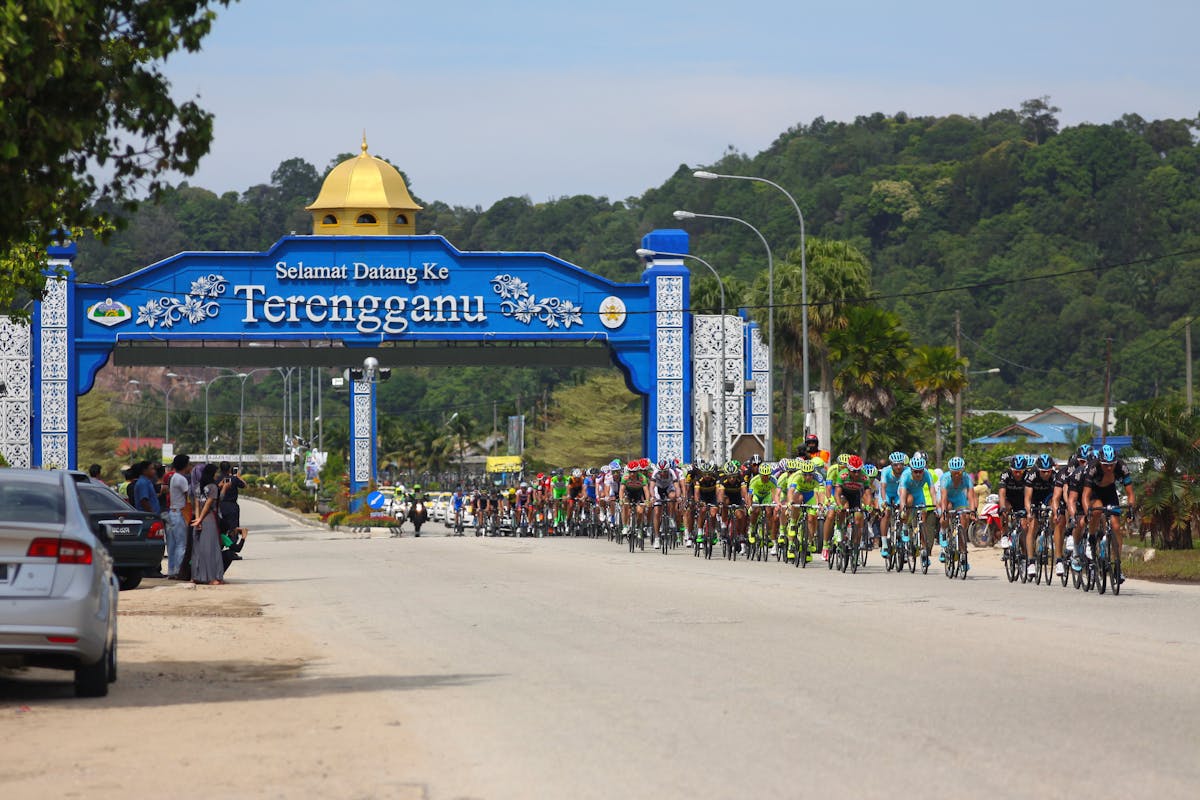
Casual viewers tune in for the mountain summit finishes and the time trials, and those are where the gaps appear on the leaderboard. But the gaps are usually created two or three days earlier, on the flat-into-rolling stages that look like nothing is happening. A 200-kilometer stage across the wind-exposed plains of northern France is not filler. It is an ambush waiting for a leader whose team lets him drift to the back of the bunch when a crosswind section is coming. The peloton splits into echelons, the front group of 30 rides away at 50 kilometers per hour, and a contender who was perfectly fit at breakfast has lost 90 seconds by dinner without a single attack being thrown at him.
This is why the great teams obsess over positioning on stages the broadcast treats as a commercial break. Keeping your leader in the front 15 riders for six hours costs his domestiques enormous energy, and that energy is the real currency of a Grand Tour. The team that can do it day after day without burning out its support riders before the high mountains is the team that wins.
Why a 1% power difference does not translate to a 1% result
Riders at the front of a modern Tour produce broadly similar numbers. The contenders climb at something in the range of 6.0 to 6.4 watts per kilogram on the decisive ascents, sustained for 30 to 40 minutes. That spread is narrow. What is not narrow is what happens around those efforts. A rider who has been sheltered in the slipstream all day, fed and paced by teammates up to the base of the final climb, arrives with a full tank. A rider whose team cracked on the approach has been fighting the wind alone for 40 kilometers and starts the climb already in debt.
So when you watch one favorite drop another on a climb, you are rarely watching a difference in pure engine. You are watching the accumulated interest on energy borrowed earlier in the day. The climb is where the bill comes due.
The new shape of the modern team leader
The all-rounder has taken over the sport, and that is the most important tactical shift of the last several seasons. The old model was a pure climber who survived the time trials and a time-trial specialist who survived the mountains. The current generation of overall contenders can do both at a level that used to require two different riders. That collapses the old strategy of attacking a climber against the clock or a roller in the hills, because the best men no longer have an obvious weak discipline to exploit.
What this does is push the tactical pressure back onto the terrain and the team. If you cannot find a discipline where the leader is soft, you attack the situation: the crosswind, the chaotic narrow finish, the descent off a penultimate climb where a downhill specialist can open a gap that holds to the line. The race has gotten less about exposing a rider's flaw and more about manufacturing a moment where his team cannot protect him.
What to actually watch for in the first ten days
If you want to read the 2026 race like someone who understands it, ignore the early leader's jersey and watch three things. Watch which teams keep eight riders together and intact through the opening week, because a team that loses two domestiques to crashes or illness in the flat stages is a team that cannot defend in the third week. Watch the stages with a coastal or plains profile and a forecast of wind, because those are the days a Tour quietly ends for someone. And watch the body language on the first real summit finish — not who wins it, but who is still being paced by a teammate with two kilometers to go, because that rider has resources the others have already spent.
The leader who arrives in the Alps in the final week with his team still around him is almost never the one who looked strongest in week one. He is the one whose team made sure week one cost him nothing. That is the whole sport, compressed: the rider gets the credit, but the result was built by the seven men who kept the wind off his back on the days nobody remembers.