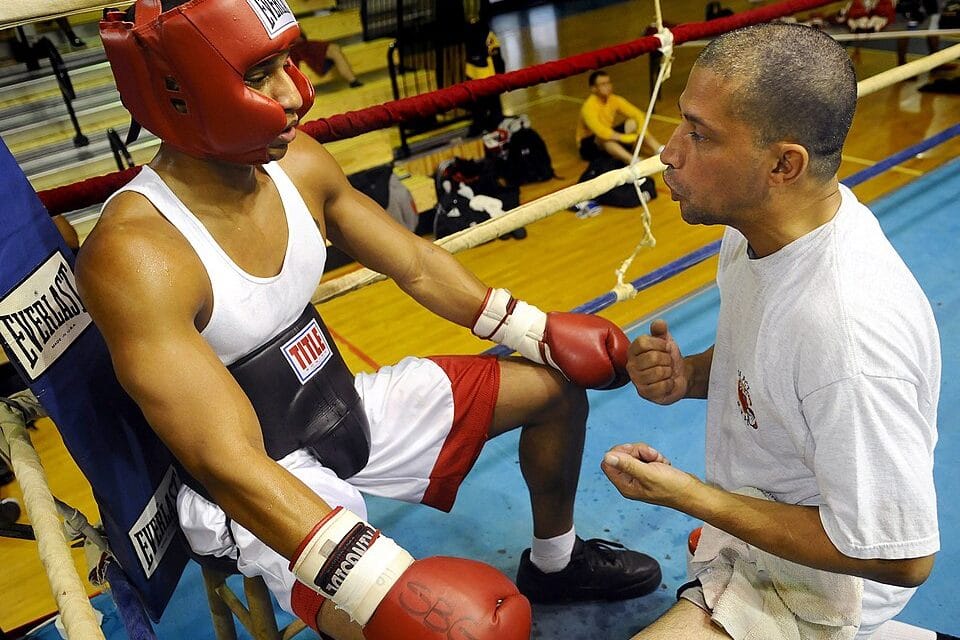
At the Scottish Event Campus in Glasgow, a boxer will step onto an electronic scale on the morning of 24 July 2026 and have as little as three hours before his fists are supposed to be doing real damage. Three hours to drink, eat, absorb electrolytes and turn a dehydrated, glycogen-starved body back into something explosive. A few miles away, on a mat that won't see action until 31 July, a judoka making weight for the same Games will have made his cut the evening before — a full day's head start that sounds generous until you look at what rapid weight loss actually does to a human body, and how little a day genuinely buys back.
Glasgow 2026 runs from 23 July to 2 August, a scaled-down programme of ten sports built around athletics, swimming, boxing, judo, weightlifting and 3x3 basketball among others, with more than 3,000 athletes from 74 Commonwealth nations and territories chasing 215 medals. Cricket, hockey, badminton, table tennis and wrestling all lost their place on this edition's schedule, a genuine blow to nations that mined those sports for medals in Birmingham four years ago, and it means the Games' combat-sport story this year belongs almost entirely to two disciplines. The slimmed-down sports list is really a money story rather than a sporting one: Victoria, Australia walked away from hosting in July 2023 as projected costs climbed towards AU$7 billion, and Glasgow only agreed to step in for a leaner, ten-sport version underwritten by a £100 million package from the Commonwealth Games Federation. Boxing and judo survive as the only weight-category combat sports left on that trimmed programme. They open on different days, they're governed by different weigh-in philosophies, and between them they sit on opposite sides of a rule that decides how much damage an athlete is legally allowed to do to himself before he's permitted to compete. Follow both through the fortnight and you're really watching a live comparison of two rival theories about how tightly you can control a fighter's body without breaking it.
The Three-Hour Rule Boxing Lives With
Olympic-style boxing, the format used at every Commonwealth Games, does not run on the professional model of a weigh-in the day before the fight. There's a general weigh-in at the start of the tournament, where both the upper and lower limits of a boxer's declared weight class get checked, and then a daily weigh-in on every morning that boxer actually fights — at that point only the upper limit matters, and it has to happen at least three hours before the first bout of the session. Fourteen weight-category events run at the SEC Centre between 24 July and 1 August, and because the tournament is a straight knockout with both semi-final losers taking bronze, a boxer who keeps winning is repeating that three-hour scramble every single time he advances.
Professional boxing solved this differently, with day-before weigh-ins and contractual rehydration clauses that give a fighter roughly 30 hours to refill. Amateur and Olympic-style boxing deliberately rejected that model because it lets fighters balloon back up several weight classes overnight, which the sport decided was a bigger fairness problem than a hard three-hour window. That's a reasonable trade-off on paper. In practice it means a Glasgow boxer has to nail sodium intake, carbohydrate timing and fluid volume almost perfectly, because there's no room to get it wrong twice in one morning — and no referee is going to care that the scales were unkind three hours earlier.
Judo's Longer Runway — and Why a Day Still Isn't Enough
Judo used to run the same same-day system boxing still uses, but the International Judo Federation changed course in 2017. Under the current Sport and Organisation Rules, the official weigh-in happens the day before competition, with a random check permitted on competition day itself that allows a judoka up to five per cent over his registered category. On paper that hands a Glasgow judoka something like fifteen hours to eat, drink and rebuild, roughly five times what a boxer gets one building over.
Here's the awkward part the rule change didn't fully fix: a peer-reviewed study of elite judo athletes found that even with around fifteen hours of recovery between weigh-in and competition, fighters still could not rehydrate to the same degree wrestling studies had shown was achievable in comparable windows. And a separate comparison of same-day versus day-before weigh-ins in judo found the two systems produced almost identical rates of rapid weight loss beforehand — 77 per cent of athletes in one group, 75 per cent in the other, cutting a broadly similar amount of body mass regardless of how long they'd have to recover afterwards. Extra hours help. They don't undo the cut.
What a Body Actually Does When You Starve It of Water on Purpose
The mechanics behind a weight cut aren't exotic, and most combat-sport gyms in the UK could walk you through them without blinking. Fighters push fluid out through saunas, hot baths or exercising in insulated suits, then cut sodium and water intake hard for the final 24 to 48 hours before weigh-in. Restricting carbohydrate does its own quiet work here too, because every gram of glycogen a muscle stores is bound to roughly three grams of water, so depleting the glycogen and the water clinging to it goes with it, no sweating required. Stack all three tactics together and a fighter can shed several per cent of his bodyweight in under two days without touching a single calorie he'd call "cutting food." None of that water was ever fat, though, and blood volume, cardiac output and cognitive sharpness all take a hit alongside it. A dehydrated brain reacts slower and a dehydrated muscle fatigues faster, which is precisely the state a Glasgow boxer is trying to reverse in three hours flat. Push the sauna-and-restriction routine too far and you're not managing a weight class any more, you're managing a genuine medical risk, and every UK combat-sport governing body's medical panel will tell you exactly that if you ask them directly.
The Rehydration Protocol Performance Staff Actually Use
Straight water is the worst thing you can hand a fighter who's just stepped off the scale, and it's worth being blunt about that because the instinct is obvious and wrong. Flood a dehydrated body with plain water fast enough and you dilute blood sodium rather than restoring it, which is the mechanism behind exercise-associated hyponatraemia — a condition combat-sport and endurance-sport medicine has documented for decades and one that gets more dangerous, not less, the faster someone tries to rehydrate. The camps who actually get this right reach for an electrolyte drink with a meaningful sodium content first, pair it with something starchy to start rebuilding glycogen and pull water back into the muscle along with it, and split the whole rehydration window into small, frequent feeds instead of one enormous meal and a litre of water swallowed in ten minutes.
None of this is secret sports science locked away in a national federation's back room. British performance nutritionists working combat sports have published broadly the same protocol for years: sodium-forward fluids in the first hour, complex carbohydrates alongside modest protein once the stomach can handle solid food, and a deliberate avoidance of caffeine or anything else that pushes fluid straight back out through the kidneys. A judoka with fifteen hours can layer several of those feeding cycles on top of each other. A boxer with three hours gets exactly one shot at getting the ratio right, which is why the smartest camps rehearse the whole sequence in training long before they ever reach Glasgow.
Why the IV Bag Everyone Assumes Exists Is Actually Banned
It would work.
That's precisely why it isn't allowed. An intravenous line pushing saline and electrolytes straight into the bloodstream would rehydrate a fighter faster and more completely than any drink he could swallow, and for years that made IV rehydration an open secret in combat sports before anti-doping regulators shut the door on it. The World Anti-Doping Agency's Prohibited List restricts intravenous infusions and injections to a maximum of 100 millilitres within any twelve-hour period, and bans anything beyond that outright except where it's part of legitimate hospital admission, a surgical procedure or documented clinical investigation. Boxing and judo athletes at Glasgow compete under federations that follow the WADA code, so the fastest possible fix for a bad weight cut simply isn't on the table for anyone hoping to stay eligible.
What to Watch for at the SEC Centre
Once the first bell rings on 24 July, the practical result of all this becomes visible if you know where to look. Boxers who've mismanaged their three-hour window tend to look flat in round two rather than round one, the sluggishness of a rehydration protocol that didn't quite land shows up after the adrenaline of the opening exchanges fades, not before it. Judokas, working from a longer runway, are more likely to lose their edge in the final minutes of a longer contest, when the cumulative cost of a rapid cut finally catches up with grip strength and reaction speed rather than raw output. Watch closely enough across boxing's opening week and judo's closing three days, and you're not just watching two combat sports finish out Glasgow 2026 — you're watching two entirely different rehydration sciences get tested live, under the same roof, nine days apart.