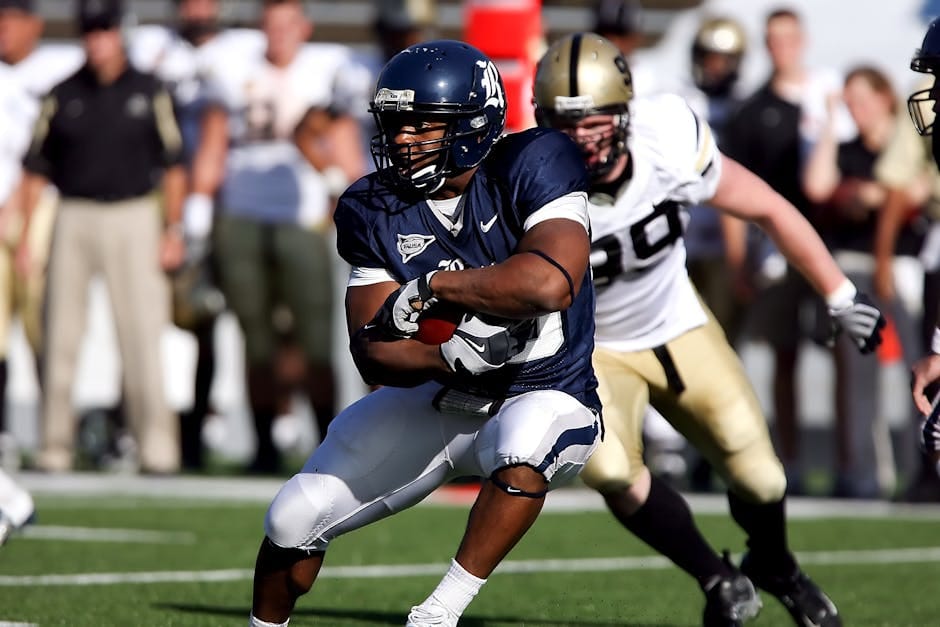
The United Football League (UFL), formed in 2024 from the merger of the United States Football League (USFL) and the XFL, completed its third season in April 2025 with modest commercial success and a confirmed path to an expanded 2026 season. The league's average television rating of 0.6 (roughly 900,000 viewers) was higher than any previous spring football startup over the past decade but remains significantly below the NFL's regular-season averages of 14-15 million viewers per game.
The UFL features eight teams split into two conferences — the USFL Conference (Birmingham Stallions, Houston Roughnecks, Memphis Showboats, and Michigan Panthers) and the XFL Conference (Arlington Renegades, DC Defenders, San Antonio Brahmas, and St. Louis Battlehawks). The league plays a 10-game regular season beginning in late March, with the championship game in late June.
The Fox and Disney Broadcast Structure
The UFL's broadcast structure gives Fox Sports primary rights to games through 2026, with ESPN providing secondary coverage. Fox pays approximately $75 million per year for its broadcast rights, which include regular-season games and the championship. ESPN's deal is worth approximately $35 million per year. Both deals are significantly below the XFL's original 2020 broadcast agreement with ESPN, which collapsed after the league's bankruptcy.
The broadcast structure has been central to the league's commercial viability. Fox's investment, which includes the use of its digital platforms for non-televised games, has produced steady advertising revenue. The league has also secured corporate sponsorships from companies including GEICO, Rocket Mortgage, and Pepsi, totaling approximately $45 million annually.
Team Ownership and Investment
The UFL's team ownership structure is unusual in American sports. All eight teams are owned by a single holding company, UFL Enterprises, rather than having individual team owners. The structure was designed to provide operational efficiency and centralized decision-making, but it has also limited the league's ability to generate local marketing enthusiasm in host cities.
UFL Enterprises is majority-owned by RedBird Capital Partners, the investment firm led by Gerry Cardinale. RedBird acquired the XFL in 2020 and the USFL in 2022 before orchestrating the 2024 merger. The company's sports portfolio also includes AC Milan, the Boston Red Sox's YES Network, and a minority stake in the National Women's Soccer League.
Player Development Model
The UFL has positioned itself as a player development league for the NFL, with approximately 25 percent of its players having previous NFL experience. The league's average player age is 26, and its average salary is $55,000 per season — significantly below the NFL's minimum salary but above the practice-squad rates that most of these players previously received.
Several UFL players have signed with NFL teams after successful spring seasons. Quarterback Shedeur Sanders (not the Colorado player — a UFL journeyman), wide receiver K.J. Osborn, and defensive end Josh Allen (again, a UFL-specific player) have all earned NFL contracts following their UFL seasons. The signing pattern has validated the league's developmental positioning.
The Franchise City Strategy
The UFL's city strategy has combined traditional football markets with newer markets that lack NFL teams. San Antonio, St. Louis (which lost its NFL team to Los Angeles in 2016), and Memphis are the largest metropolitan areas in the league without current NFL franchises. The Birmingham, Arlington, Houston, DC, and Detroit markets also have NFL teams, which provides competitive complementarity rather than direct competition.
Attendance has been mixed. The St. Louis Battlehawks have averaged 35,000 per game at The Dome at America's Center — the highest attendance in the league and higher than several NFL franchises in smaller markets. The Memphis Showboats and Arlington Renegades have struggled with attendance, averaging under 10,000 per game.
Commercial Challenges
The UFL's commercial challenges remain significant. The league's 2024 and 2025 operating losses are estimated at approximately $80 million per year, per Sports Business Journal. RedBird Capital has publicly indicated willingness to absorb these losses for the first three years as the league establishes its brand and commercial trajectory.
Sponsorship acquisition has been the most successful commercial lever. The league's sponsorship pool has grown from $28 million in 2024 to $45 million in 2025. However, individual team sponsorships remain limited because of the centralized ownership structure, which prevents team-specific marketing agreements.
The 2026 Expansion
UFL Enterprises has announced the addition of two new teams for the 2026 season: the Atlanta Claymores and the Philadelphia Brigades. The addition will bring the league to 10 teams and will reorganize the conferences to include five teams each. The expansion was announced at a December 2024 press conference, with specific team locations and venues confirmed in February 2025.
The Atlanta Claymores will play at Mercedes-Benz Stadium when the Atlanta Falcons and Atlanta United FC are on road trips. The Philadelphia Brigades will play at Subaru Park in Chester, Pennsylvania, approximately 15 miles outside of Philadelphia. The expansion has been described as "cautious" by RedBird CEO Gerry Cardinale, with the two new markets positioned as moderate-risk additions rather than aggressive expansions.
The Player Draft Structure
The UFL's player acquisition uses a centralized draft rather than team-by-team scouting and signings. The 2025 UFL Draft, held in December 2024, featured 320 prospects across nine rounds. Draft eligibility requires the player to have been eligible for a previous NFL draft or to have exhausted college eligibility.
The draft structure has been praised for its transparency and criticized for its impact on player compensation. UFL players receive a flat salary with minimal performance bonuses, which reduces the league's competitive differentiation from a player-development perspective. The NFL Players Association has discussed whether to formally recognize UFL-to-NFL transition agreements, though no formal structure has been implemented.
Commissioner Russell and League Leadership
Daryl Johnston, the former XFL executive, serves as UFL commissioner. Johnston, 58, was NFL Hall of Fame fullback for the Dallas Cowboys from 1989-1999 and has extensive football operations experience. His leadership has been praised for providing continuity between the USFL and XFL organizations during the merger process.
The league's senior management team includes several former NFL executives, including former Baltimore Ravens general manager Ozzie Newsome's son Jon Newsome, who serves as director of player personnel. The executive structure reflects the league's emphasis on football credibility rather than pure business management.
Future Prospects
The UFL's future prospects depend on continued broadcast revenue growth, additional franchise expansion, and the establishment of a larger national fan base. RedBird Capital Partners has publicly committed to supporting the league through the 2026-2028 period, providing the stability needed for long-term growth. Whether the league can eventually become self-sustaining is the core question.
The closest historical analog — the USFL of the 1980s, which lasted three seasons before bankruptcy — cautions against premature commercial projections. However, the current UFL benefits from significantly different economic conditions: established broadcast partnerships, reduced competition from other startup leagues, and the gradual normalization of spring professional football as a legitimate commercial product.